
Safe Removal of Unwanted Structures
Demolition in Williamsburg for residential, commercial, and farm structures being cleared for new construction or land reuse
Structures reach the end of their useful life when repair costs exceed replacement value, when building codes prevent continued use, or when property plans require clearing existing buildings to make room for new development. Controlled demolition takes down buildings safely without damaging adjacent structures, underground utilities, or site features you intend to keep. Kruse Tree Trim & Construction handles demolition projects across Williamsburg and surrounding Iowa communities, removing residential buildings, commercial structures, and farm outbuildings using equipment sized appropriately for the building and site access constraints. Demolition work includes planning for debris handling, utility disconnection coordination, and site cleanup that leaves the property ready for its next use.
The demolition process begins with utility disconnection to eliminate electrical, gas, and water hazards before equipment contacts the structure. The building comes down in a controlled sequence that prevents unplanned collapses, with operators working from top to bottom or using strategic cuts that allow sections to fall safely within the work area. Materials are sorted as demolition proceeds when salvage or recycling is part of the plan, separating metal components, dimensional lumber, and masonry from general debris.
Request a site visit to discuss demolition scope and debris removal options for your property.
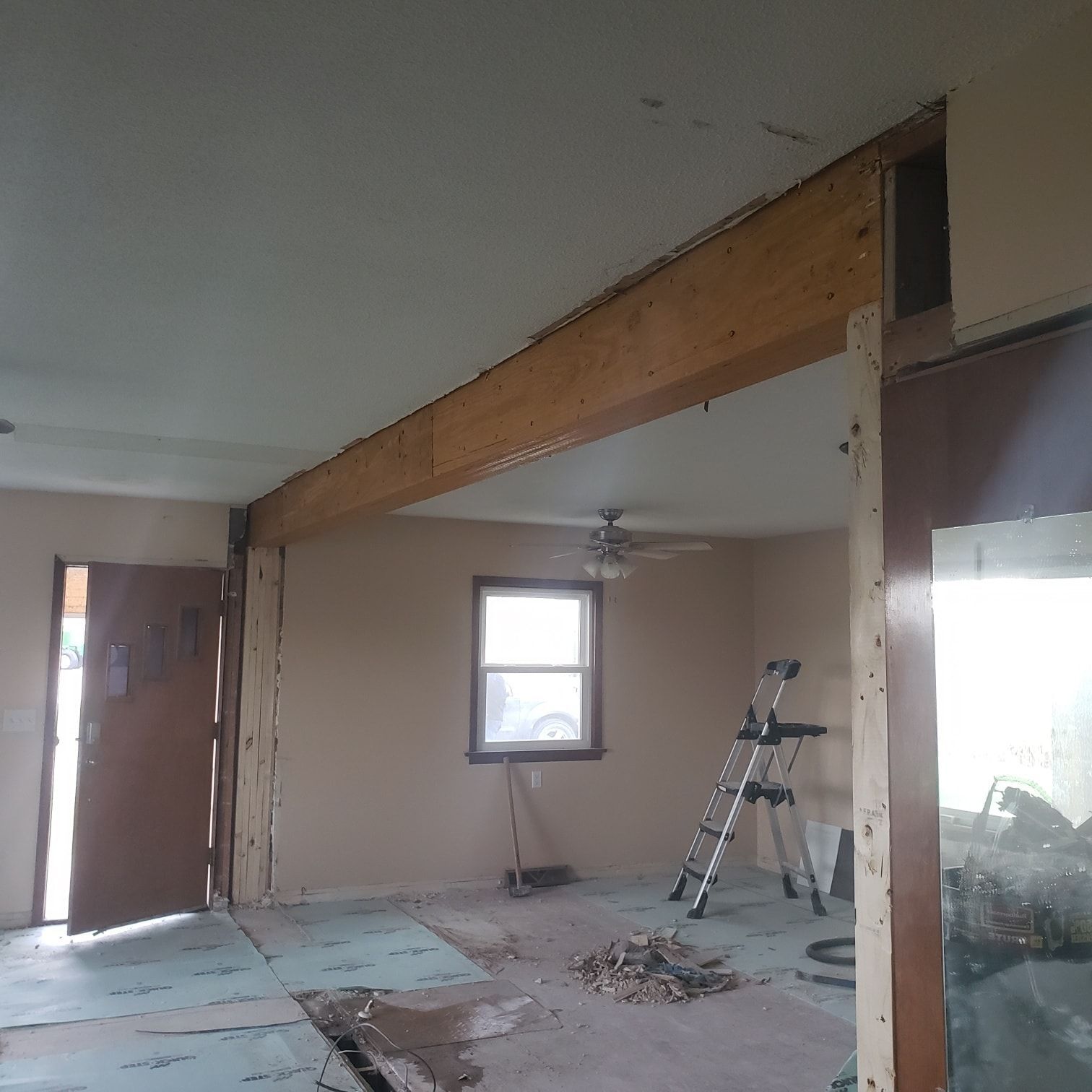
How Demolition Addresses Site Clearance Needs
Demolition planning accounts for the building type, surrounding site conditions, and what happens to the cleared area afterward. Your demolition contractor identifies underground utilities, overhead power lines, septic systems, wells, and property boundaries that define safe working zones and equipment approach paths. The demolition method depends on building size, construction type, proximity to structures that remain, and whether materials will be hauled off immediately or staged on-site for sorting.
Once demolition finishes, the building is gone, the foundation is either removed or filled and capped depending on site plans, and the lot sits clear of structural debris. You see grade returned to a workable condition, with major voids filled and the surface left stable enough for vehicle traffic if construction will follow. Vegetation that was damaged during access gets cleared, and the property transitions from occupied structure to cleared land ready for redevelopment or repurposing.
Demolition projects include debris removal as part of the base service or as a separate line item depending on volume and disposal location, with options to leave certain materials on-site if you plan to reuse salvaged lumber, stone, or metal components. Permits may be required depending on building size and local regulations, particularly for commercial or multi-family structures where inspections verify proper utility disconnection and asbestos testing before demolition begins.
Questions Before Starting Your Project
Demolition projects involve questions about preparation steps, timeline expectations, and what gets removed versus what stays on the property.
What utility disconnections need to happen before demolition starts?
Electric service must be disconnected at the meter by the utility company, gas lines capped at the property boundary or meter location, water shut off at the curb stop or well head, and septic systems either abandoned properly or marked clearly to avoid damage during demolition work.
How long does demolition take for a typical residential or farm building?
A single-story house or outbuilding demolishes in one to two days depending on size and construction type, with additional time for foundation removal and debris hauling, while larger buildings or those requiring selective material salvage extend the project by several days as sorting and careful disassembly slow the pace.
Does demolition include removing the foundation and filling the basement?
Foundation removal is typically quoted separately from above-grade demolition, involving breaking up concrete, hauling material off-site, and backfilling the void with clean fill compacted in lifts to prevent future settling, though some projects leave foundations in place and cap them at grade if building codes and site use allow.
What happens to debris after a building comes down in Williamsburg?
Demolition debris goes to approved disposal sites, with concrete and masonry sometimes separated for recycling as aggregate base material, wood waste hauled to landfills or grinding facilities, and metal components sold as scrap when volume justifies the sorting effort and transportation costs.
Can trees and landscaping near the building be protected during demolition?
Protective fencing and equipment approach planning minimize impact to vegetation you want to keep, though trees within falling distance of the structure face risk from accidental contact, and root systems under heavy equipment travel paths may suffer compaction damage that affects long-term tree health.
Kruse Tree Trim & Construction provides demolition services throughout Iowa where site clearing requires proper equipment and attention to safety. Call to discuss your demolition project and receive a detailed quote based on building type and site conditions.